
What To Eat Before Bed (19 Foods To Try + 7 To Avoid)



Key Takeaways
- Some of the most studied foods associated with improved sleep include tart cherries, bananas, kiwis, and almonds.
- Foods to avoid before bed include alcohol, caffeine, and fried, spicy, or acidic foods.
- Generally, the best practice is to finish larger meals 2-3 hours before bedtime.
Do you wake up feeling unrested, no matter how much sleep you feel like you’re getting? Approximately 30% of adults have symptoms of insomnia, struggling to fall and stay asleep.¹
Knowing what to eat before bed is one way to better support your sleep. “The nutrients we get from food serve as the building blocks for other minerals and proteins needed to create amino acids involved in sleep," says sleep expert Dr. Ana Krieger.²
Learn how to sleep better by understanding what foods contribute to quality, restorative sleep.

Sleep Better With Purple
Discover the difference of the GelFlex® Grid, which provides unparalleled comfort and cooling support.
Best Foods To Eat At Night
When deciding what to eat before bed, it's important to consider your specific needs. For example, foods that contain dietary melatonin, such as tart cherries, may improve some aspects of sleep, but they may not be suitable for people who struggle with digestive health issues as they're high in fiber.
Melatonin is a hormone produced by the pineal gland that signals to the body that it is nighttime. Evidence has shown that taking melatonin supplements can be effective for managing jet lag and help those with circadian rhythm sleep-wake disorders.
The best foods to support sleep can help you fall asleep fast and stay asleep throughout the night. While not all of these foods will suit everyone's specific needs, here are some foods that have been known to help improve sleep quality.
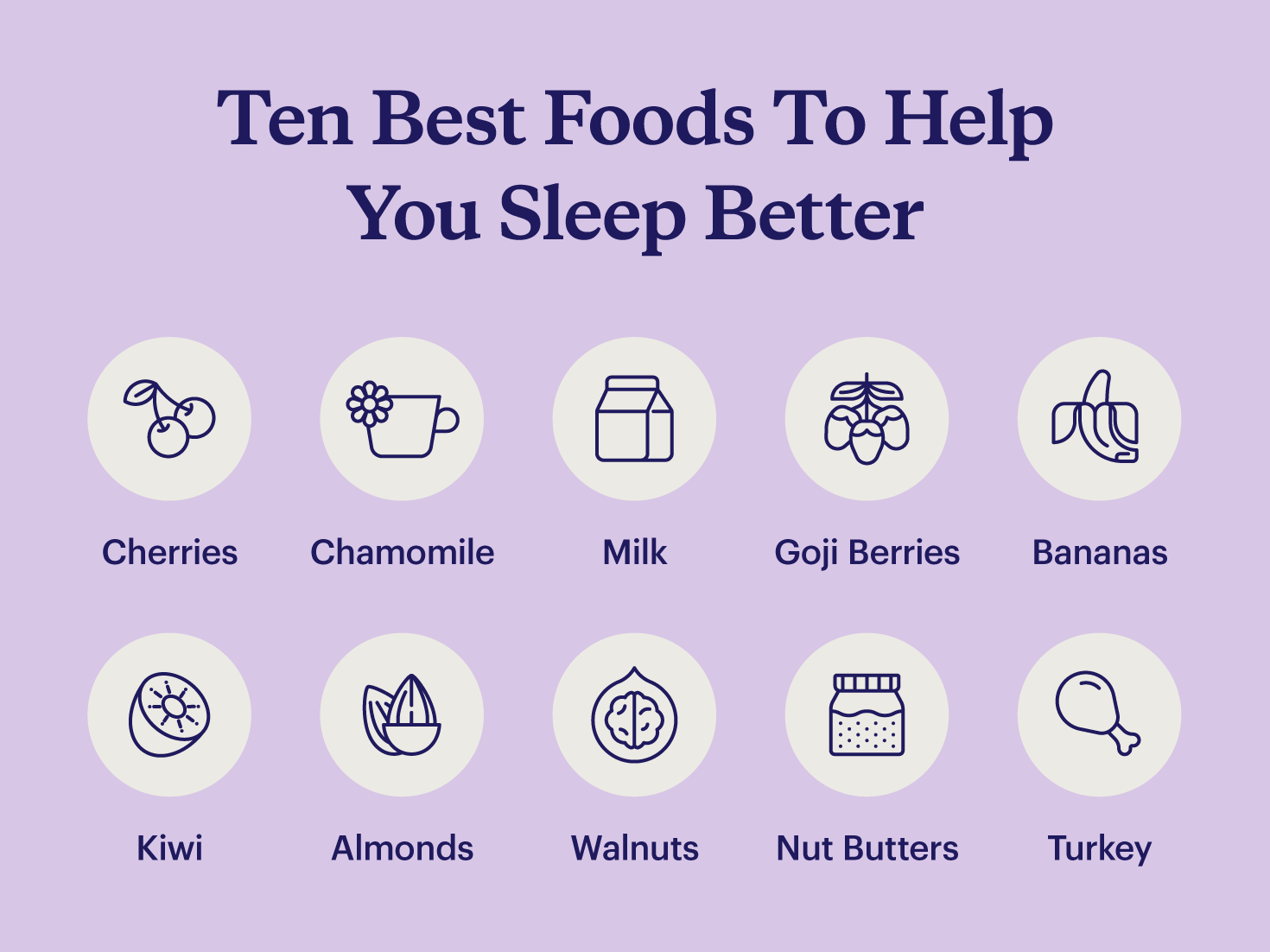
1. Cherries
Social media has been full of influencers sharing their preferred “sleepy girl mocktail” recipe, which features tart cherry juice, magnesium powder, and prebiotic soda. But, is tart cherry juice the best juice to drink at night?
IWhile not a magic cure, small clinical studies suggest it may help. Research has found that drinking tart cherry juice for sleep can modestly increase one's melatonin levels and improve sleep efficiency.⁴
2. Chamomile
Looking for tea that helps you sleep? Chamomile tea is a popular option at bedtime . With its mellowing effect, it's been used for centuries to calm nerves and settle an upset stomach.
Chamomile is known to have many positive effects because it contains flavonoids. These plant compounds have broad health benefits, such as⁵:
- Reduced inflammation
- Decreased risk of certain cardiovascular diseases
- Improved brain function
- Anti-carcinogenic properties
Having tea is a good way to drink more water, though around 20% of most people's water consumption can be attributed to water-rich foods. Just be careful not to drink too much water before bed or you may wake up in the middle of the night to use the bathroom.
3. Milk
Surely, you've heard of people having a glass of warm milk before bed. A small, warm drink like milk before bed can be an easy, soothing way to wind down.
Milk contains both tryptophan and calcium, nutrients that are involved in promoting sleep. Tryptophan is an amino acid that your brain takes and converts into serotonin, and then meltonin, the hormone that tells your brain it is nighttime.
4. Goji Berries
A 2008 study12 found that goji berry juice can improve feelings of well-being and subjective sleep quality.
These little berries are an easy snack to eat at night, and they are a natural source of both antioxidants and a small amount of dietary melatonin.
5. Bananas
Aside from containing potassium and magnesium, which support muscle relaxation, bananas also contain some of the amino acid tryptophan. Because trypophan serves as a building block for hormones like serotonin and melatonin, this compound can helps you to feel more sleepy and ready for bed — which makes a banana before bed just what the doctor ordered.
6. Kiwi
A study found that adults with sleep problems who ate two kiwifruits an hour before bedtime fell asleep faster than their baseline.⁸ This is believed to be due to the fruit's antioxidant content and folate, which may help lower inflammation.
7. Almonds
Overall, almonds are nutritionally dense, making them a great bedtime snack. They're also a good source of protein, which can help stabilize blood sugar and prevent nighttime restlessness caused by hunger. Their healthy fats also leave you feeling full for longer, reducing the need for a midnight snack.
8. Walnuts
If you're a late-night snacker, ditch the chips and grab a handful of walnuts instead. This nut contains heart-healthy omega-3 fatty acids, which can help reduce inflammation and promote relaxation. Like almonds, they also provide protein and healthy fats, contributing to satiety and stable blood sugar levels.
9. Nut Butters
Nuts are generally high in protein and healthy fats, making them a satisfying evening snack. In nut butter form, combined with something like whole-grain toast, they're a satisfying snack full of sleep-inducing carbs. So, while eating peanuts at night might make you feel like a circus elephant, it's actually a great bedtime treat.
10. Turkey
As mentioned, turkey contains tryptophan, an amino acid that can result in drowsiness. But, that's not the main reason that turkey can contribute to a good night's sleep — or an excellent post-dinner nap.
Turkey dinners are usually quite carb-heavy, paired with sides like mashed potatoes, stuffing, and sweet potato casserole. These foods are rich in high GI carbohydrates and fats and paired with an often socially heavy dinner around the holidays, they are a recipe for that classic holiday.
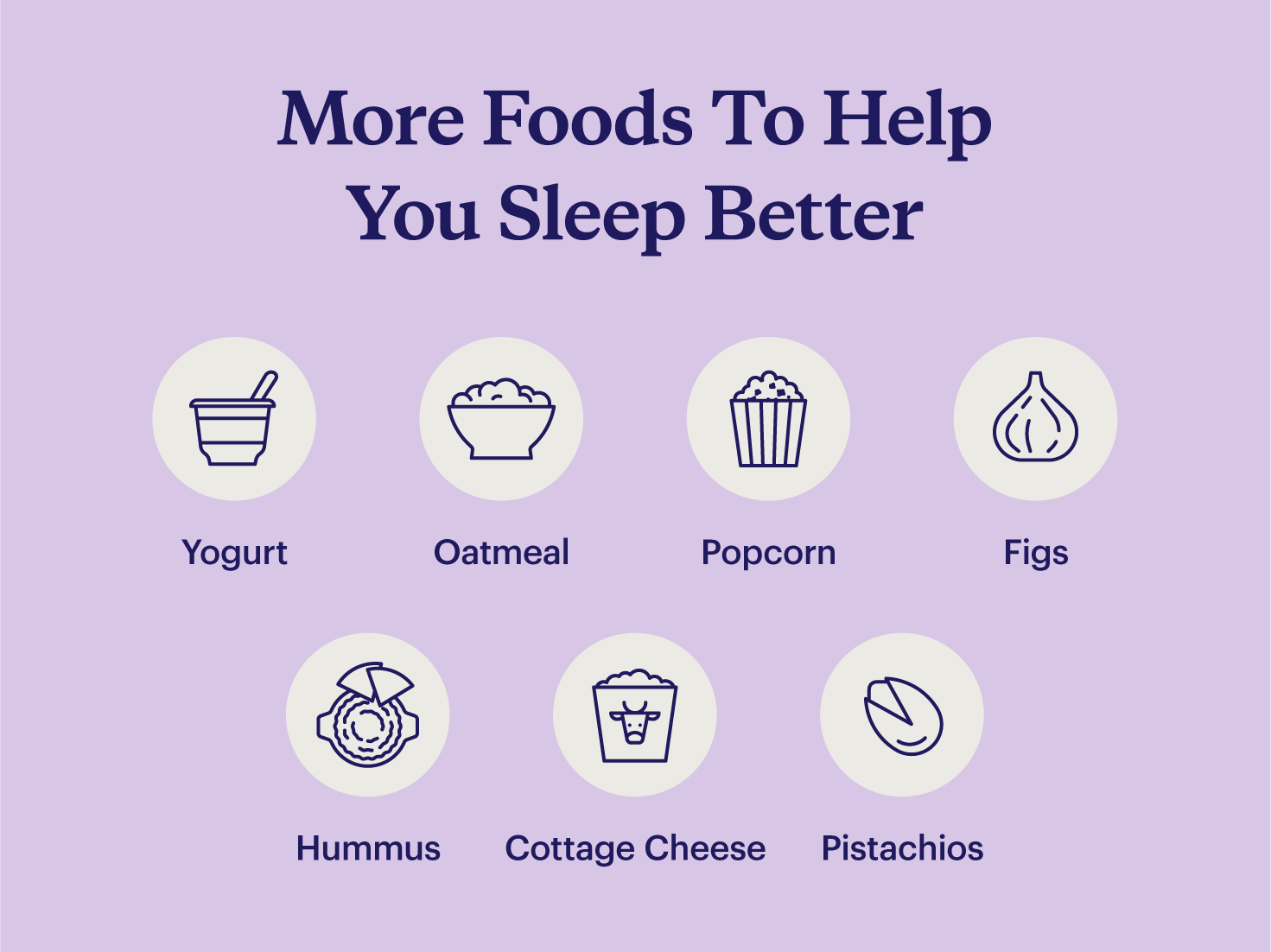
11. Yogurt
Yogurt is another healthy source of tryptophan. Additionally, yogurt is a good source of protein, calcium, and probiotics, all of which can support gut health and help you feel full.
When having yogurt at night, ditch the sugary, flavored ones and opt for a cup of plain yogurt instead. Better yet, go for Greek yogurt, which is higher in protein and lower in fat and carbs.
12. Cottage Cheese
Tired of yogurt? Change things up with a cup of tryptophan and casein-rich cottage cheese. Casein protein is a slow-releasing milk protein that can stave off hunger. A cup of cottage cheese is a healthy snack that can prevent hunger-induced nighttime awakenings.
13. Oatmeal
There's just something calming about a warm bowl of oatmeal. Consuming oatmeal before bed can have a soothing effect on the body and mind, largely thanks to its comforting temperature, complex carbohydrates and B vitamins!
Oatmeal is a complex carbohydrate high in fiber that can help regulate blood sugar levels, preventing spikes and crashes that can disrupt sleep. Additionally, oatmeal can be a good source of magnesium, which can promote relaxation.
14. Hummus
Hummus is made with chickpeas, a natural source of vitamins and minerals that can support sleep, including tryptophan and vitamin B6. This high-fat, protein-rich snack is also often paired with carbohydrates like pita or pretzels, leaving you full longer, which can encourage a restful sleep.
15. Popcorn
It's time to stop feeling guilty about winding down with Netflix and a tub of popcorn. This complex carb can help you feel sleepy. Just keep it plain because adding a lot of butter, salt, or other toppings can be counterproductive. Excessive salt can increase your thirst and awakenings overnight, while excessive fat can contribute to indigestion.
Consider air-popped rather than microwave popcorn. It is a whole grain and rich in fiber, which can help regulate digestion and promote fullness. So, a small bowl of air-popped popcorn can be a satisfying and healthy bedtime snack. Just be mindful of the toppings and portion size.
16. Pistachios
Pistachios are rich in vitamin B6, and magnesium — all of which support the brain’s natural synthesis of sleep promoting chemicals. Like other nuts, pistachios are also packed with protein and healthy fats, providing a filling nighttime snack that is both delicious and can reduce waking up overnight due to hunger.
17. Figs
Figs are another potassium and magnesium-rich food. These minerals, along with calcium and iron, can support cardiovascular health and muscle function, helping muscles relax. Figs are also great if you crave sweets at night. They're naturally sweet, and their dietary fiber helps moderate blood sugar spikes, which could reduce nighttime wake ups.
18. Spinach
If you’re looking for a nutrient-dense addition to your evenings, spinach is another food to consider. Spinach is rich in various minerals and supplements including folate, magnesium, vitamin B, and has small amounts of tryptophan.
Pair your spinach with another item from this list, such as kiwi in a smoothie or cottage cheese in an omelette, to make a satisfying evening snack that will keep you full and well-rested.
19. Kale
A cup of chopped kale before bed will get you nearly 10% RDI of vitamin B6. Vitamin B6 helps our bodies synthesise serotonin and melatonin. Pair it with carbs and healthy fats to keep yourself satiated and asleep for longer.
7 Foods To Avoid Before Bedtime
We’ve looked at the foods that can benefit you at bedtime, but you may also be curious about what you shouldn’t eat before bed. While adding a nutritious snack to your bedtime routine can promote better sleep, eating a large meal or something that is too fatty or acidic, for example, can actually negatively impact your body’s ability to sleep.
Eating too close to bedtime can result in heartburn and indigestion¹⁰, which is caused by lying down too soon after eating. Stomach acid more easily flows back up into the esophagus, creating discomfort and potentially increasing waking up overnight.
Additionally, digesting a heavy meal can interfere with the body temperature drop we experience when falling asleep. This can cause interruptions to your sleep, as well as negatively affect metabolic timing.¹¹ To ensure your best sleep quality and overall health, avoiding large meals and heavy snacks in the hours leading up to bedtime is best.
Eating the following foods can disrupt how you cycle through your sleep stages. Here are some of the worst items to consume before bed.
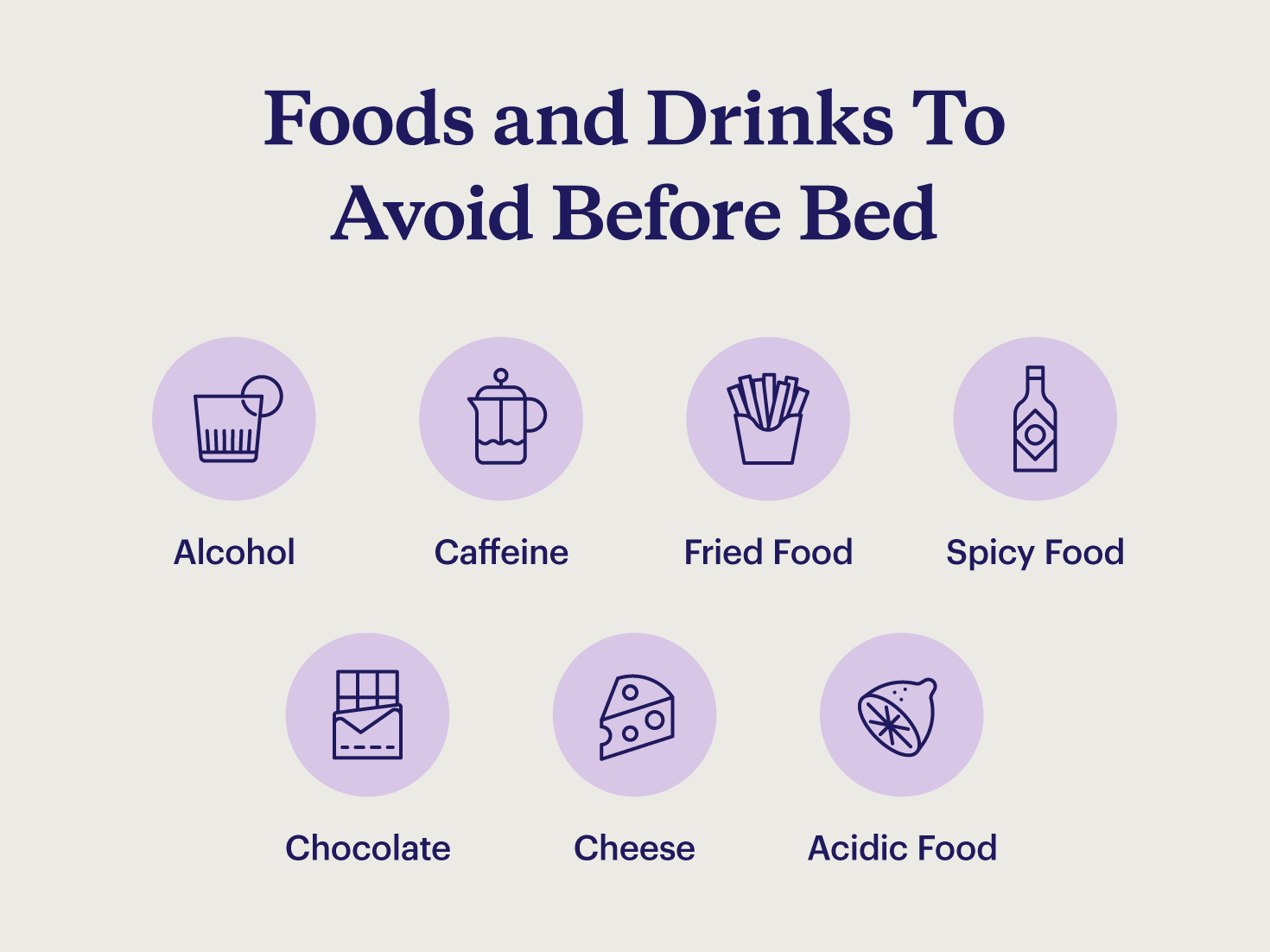
1. Alcohol
Some people may swear by a glass of wine before bed or even feel like they need a drink to sleep. And, yes, alcohol does have a sedative effect, but this isn't necessarily a good thing around bedtime. When alcohol relaxes the upper airway muscles, you can end up snoring louder or even exacerbating obstructive sleep apnea.
Alcohol can also impact your sleep cycle. While you may fall asleep more easily, it can lead to fragmented and poor-quality sleep. It can suppress rapid eye movement (REM) sleep and result in awakenings in the second half of the night, leaving you feeling groggy and unrefreshed in the morning.
Additionally, alcohol can increase the frequency of nighttime awakenings and nighttime urination, making it harder to fall back asleep.
2. Caffeine
Consuming caffeine too close to bedtime can interfere with your body's natural sleep-wake cycle, making it harder to fall and stay asleep. Even moderate amounts of caffeine consumed up to 9 hours before your bedtime13 can result in sleep disturbances, including difficulty falling asleep and reduced sleep quality. For a restful night's sleep, it's best to avoid caffeine in the late afternoon and evening
3. Fried Food
The high saturated fat content in fried foods can lead to indigestion and heartburn¹⁰, which can keep you awake at night. Foods high in saturated fat have also been shown to reduce slow-wave sleep and increase the number of times you wake up overnight.14
4. Spicy Food
Spicy foods are among the worst foods to consume late at night, as the capsaicin in them can cause heartburn, indigestion, and acid reflux, which can lead to discomfort and difficulty falling asleep.¹⁰ It's best to avoid spicy foods, especially in the evening, to ensure a restful night's sleep.
5. Acidic Food
If you're wondering whether you can eat oranges at night or other similarly acidic foods, it might be best to avoid them. Acidic foods like oranges and grapefruits can trigger heartburn and acid reflux, which can disrupt your sleep.¹⁰
6. Chocolate
This is a tough one for those with a sweet tooth. Chocolate contains both sugar and caffeine, two things that can interfere with sleep quality.
While caffeine acts as a stimulant and can keep you awake, sugar can lead to restlessness and difficulty falling asleep. Avoid chocolate later in the evening and opt for some of the sweet foods on this list, such as kiwi or figs.
7. Cheese
Foods high in tyramine, such as aged cheeses, cured meats, and fermented foods, can disrupt sleep patterns in some individuals. Tyramine is a compound that can trigger the release of norepinephrine, which boots alertness.
While the effects of tyramine on sleep are not fully understood, it's advisable to limit the consumption of tyramine-rich foods, especially in the evening, to minimize potential sleep disturbances.
Don’t Sleep On Nutrition
What you eat doesn't just affect how you feel throughout the day, it can also keep you from tossing and turning late at night. Minding your diet won’t necessarily prevent you from having a nightmare or recurring dream, but it may help you get more restorative sleep. When deciding what to eat before bed, choose foods that are high in those sleep-inducing vitamins, minerals, and nutrients, and you're all set for some sweet dreams.
And if you're still having trouble catching some zzz's, consider consulting a healthcare provider or exploring behavioral strategies like cognitive behavioural therapy for insomnia (CBT-i).

The Right Position for Better Sleep
With our adjustable bed bases, find the best sleep position to wake up feeling refreshed.
FAQ
You shouldn't eat a large meal before bed, as it can result in indigestion¹⁰, interfere with the body's natural sleep-wake cycle, and potentially disrupt your metabolic timing. But, a small, light snack can benefit some people, as long as it's not too close to bedtime and doesn't contain stimulating substances like caffeine or added sugar.
A small, light snack can be helpful if you're hungry, especially if hunger makes it difficult to sleep. However, it's important to ensure that the snack doesn't disrupt your sleep architecture. It should be easily digestible and not contain any caffeine, added sugar, or be high in saturated fats.
Aim to stop eating large meals at least 2-3 hours before bedtime. This gives your body time to digest food and prepare for sleep.10 Experiment to find what works best for you and your individual needs.
Eating heavy meals late at night can disrupt your sleep by leading to acid reflux¹⁰ and interfering with your body's natural sleep-wake cycle. This can lead to poor sleep quality and daytime fatigue.
There's no one-size-fits-all answer. The food should be a small snack without caffeine or excessive sugar, and one that your body can digest easily. Consider a handful of nuts, a small bowl of plain yogurt, or a piece of fruit like a kiwi.
No, but some fruits are better than others. Avoid highly acidic fruits, such as oranges, as they are more likely to cause indigestion, which can disrupt sleep.¹⁰ Fruits, such as kiwi, figs, and goji berries are good alternatives that can help promote healthy sleep.
More To Explore
Level up your sleep routine with our most-loved products.
-

Purple Adjustable Base
From Is dollars Is now dollarsShop Purple Adjustable BaseSleep or sit up at your perfect incline
-
Best neck supportSpecial offer

Purple Freeform™ Pillow
From Is dollars Is now dollarsShop Purple Freeform™ PillowAdjustable design for personalized comfort
-
Instant pressure relief

Restore® Hybrid Mattress
From Is dollars Is now dollarsShop Restore® Hybrid Mattress2" GelFlex Grid + coils for responsive support and increased breathability.
About the authors

Sydney brings more than five years of experience writing about a range of topics including health, lifestyle, and technology. They have a B.A. in Creative Writing and Literature from Lebanon Valley College. They’re a big fan of sharing dreams and discussing symbolism for fun. Sydney is always searching for tips to improve their sleep quality and hopes to help others get the best sleep possible with their writing.

Dr. Vanessa Hill, PhD is a sleep scientist and public educator whose research explores bedtime procrastination and the impact of technology on sleep. Published in leading journals and featured in major media, her research focuses on developing practical, behavior-based strategies to improve sleep and help people around the world rest better.

Tyler Wright is a Senior Product Manager of mattresses. With over 10 years of experience in product development, he is dedicated to developing innovative products that enhance and improve lives. At Purple that means building products that help people get the best sleep ever.
Sources
- American Academy of Sleep Medicine
- NBC News
- Medical News Today
- National Library of Medicine
- Cleveland Clinic
- Medical News Today
- Medicine Net
- Taipei Medical University
- National Library of Medicine
- Healthline
- The Harvard Gazette
- Journal of Integrative and Complementary Medicine
- Sleep Research Society
- Journal of Clinical Sleep Medicine
Related Articles


-
 Restore Hybrid CollectionStep up with a hybrid construction for enhanced pressure relief, support + up to 4x more cooling.*
GelFlex Grid + comfort layers for enhanced pressure relief
Maximum cooling — up to 4X cooler2 than competitors
Coil System provides responsive support
-

BUOYANT + RESPONSIVE
Purple Essential CollectionExperience the instantly adaptive GelFlex® Grid — at our best price.Cradling comfort from the Purple GelFlex Grid
Easy, fast delivery
-
 Rejuvenate Luxe CollectionQuilted Euro Top, enhanced comfort layers + hybrid construction offer maximum support.
All-new DreamLayer™ for soothing surface comfort
Layered Grid offers exceptional, full-body pressure relief
Adaptive Response Foam unlocks the Grid’s full comfort potential
Responsive coils maximize mattress cooling, longevity + stability


